
Building a Culture of Care Through Peer-To-Peer Counseling
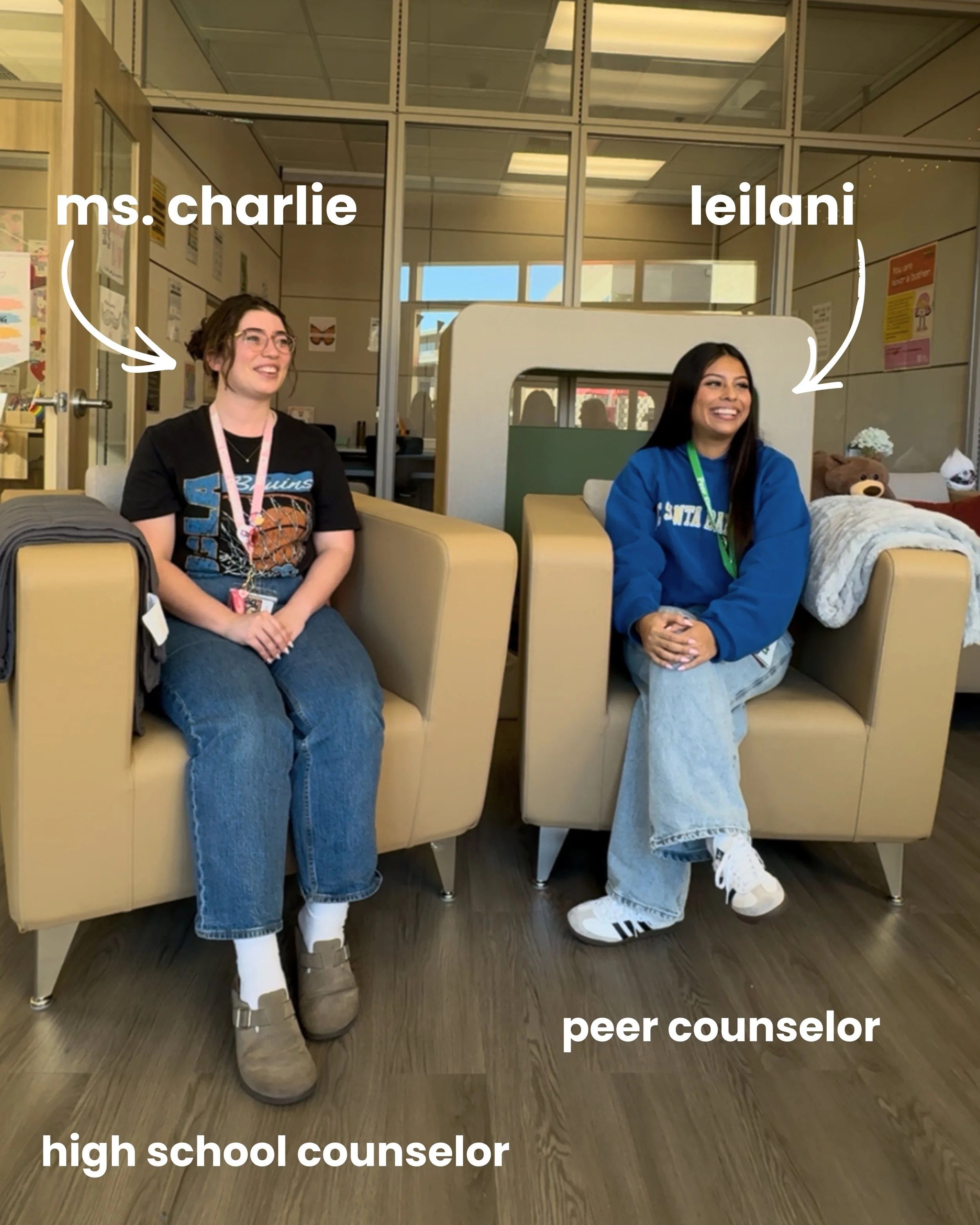
At Mission Hills High School, students are redefining what it means to support one another.
This school year, Mission Hills launched a peer-to-peer counseling program and on-campus Wellness Center, creating a space where students can connect, feel heard, and support one another in meaningful ways.
And the impact is already being felt.
Thanks to a $1.5 million state grant, Mission Hills students are now set-up to play an active role in supporting their peers’ mental health. The school is one of just eight schools statewide selected for the Peer-to-Peer High School Pilot Demonstration Grant, a competitive, three-year initiative that supports youth-driven mental health programs.
What makes this program especially meaningful is who brought it to life. A small group of passionate Mission Hills students led the grant application process from the start, working alongside school and district staff to turn their vision into reality. From shaping how peer counseling would work to designing the Wellness Center itself, students had a hand in every step.
“The kids were able to look at the design they’d gotten and say ‘yes’ or ‘no’ to certain things and were able to pick the colors of the furniture,” said school counselor Ms. Charlie. “I was there as a support and to answer questions and be there for them but for the most part they were the drivers of a lot of what you see here today and I think that’s just the beautiful part of it.”
The Peer-to-Peer Counseling Program is built into the academic day through two counselor-training courses:
Peer Counseling 1 introduces students to active listening, mental health, confidentiality, and communication skills.
Peer Counseling 2 allows trained students to put those skills into action by meeting with fellow students during their class period in the Wellness Center. Peer counselors are paid hourly for their work during these class periods.
Students can drop in to talk about stress, friendships, or simply to have someone listen. Peer counselors are trained to provide support, and when needed, connect students with additional school resources.
“It connects you to so many people here at school,” said senior peer counselor Leilani. “I walk around and I see so many of the kids that I talk to in here and it’s really nice to be able to help around the school as well.”
The Wellness Center isn’t just another room on campus — it’s a reflection of what happens when students are trusted to lead. By reducing stigma and normalizing conversations around mental health, Mission Hills is creating an environment where students feel supported not just academically, but emotionally and socially too.
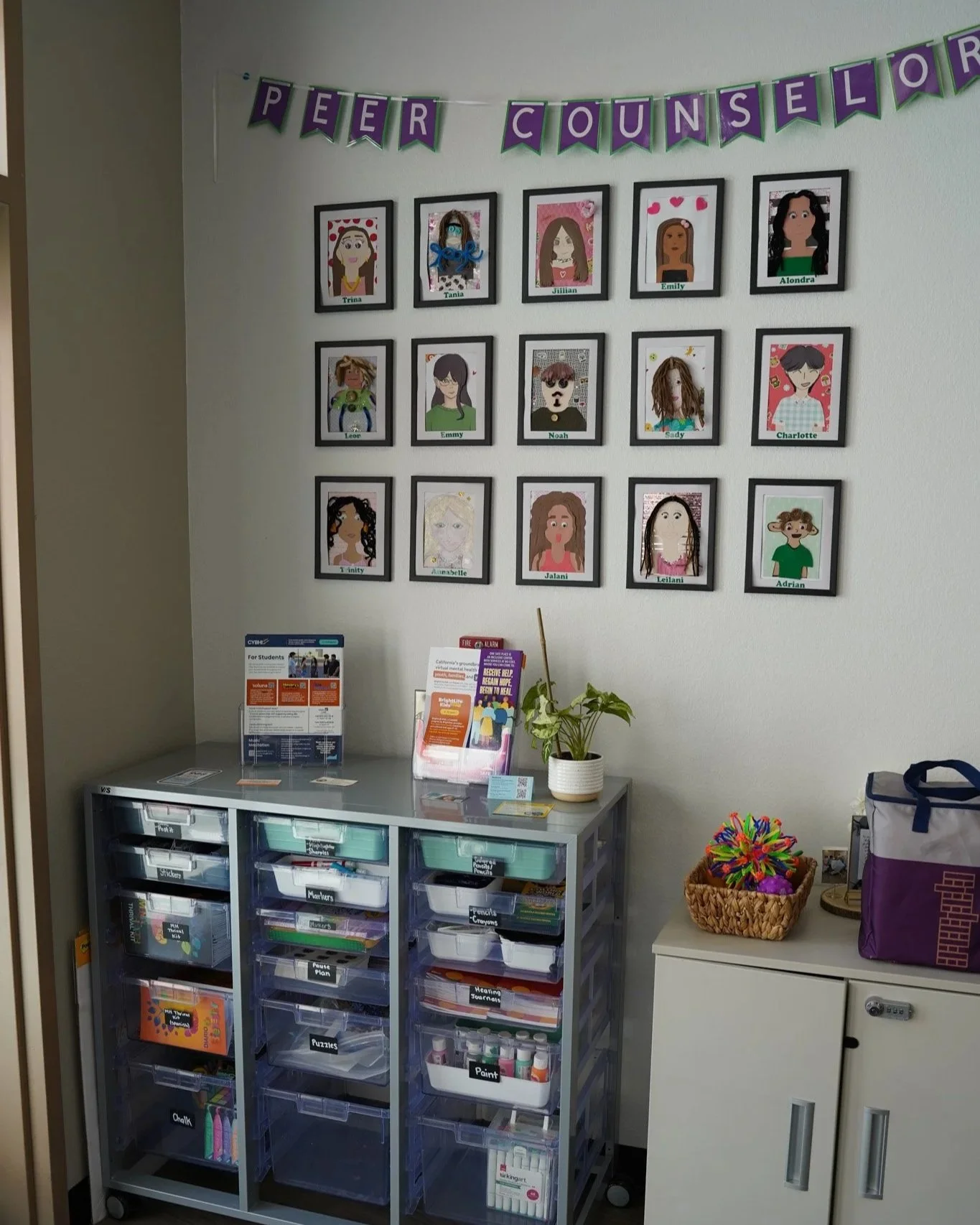
In the wellness room, all design is intentional. From handmade portraits to storage with clear bins, all pieces in the room are curated to create a stress-free and peaceful environment.
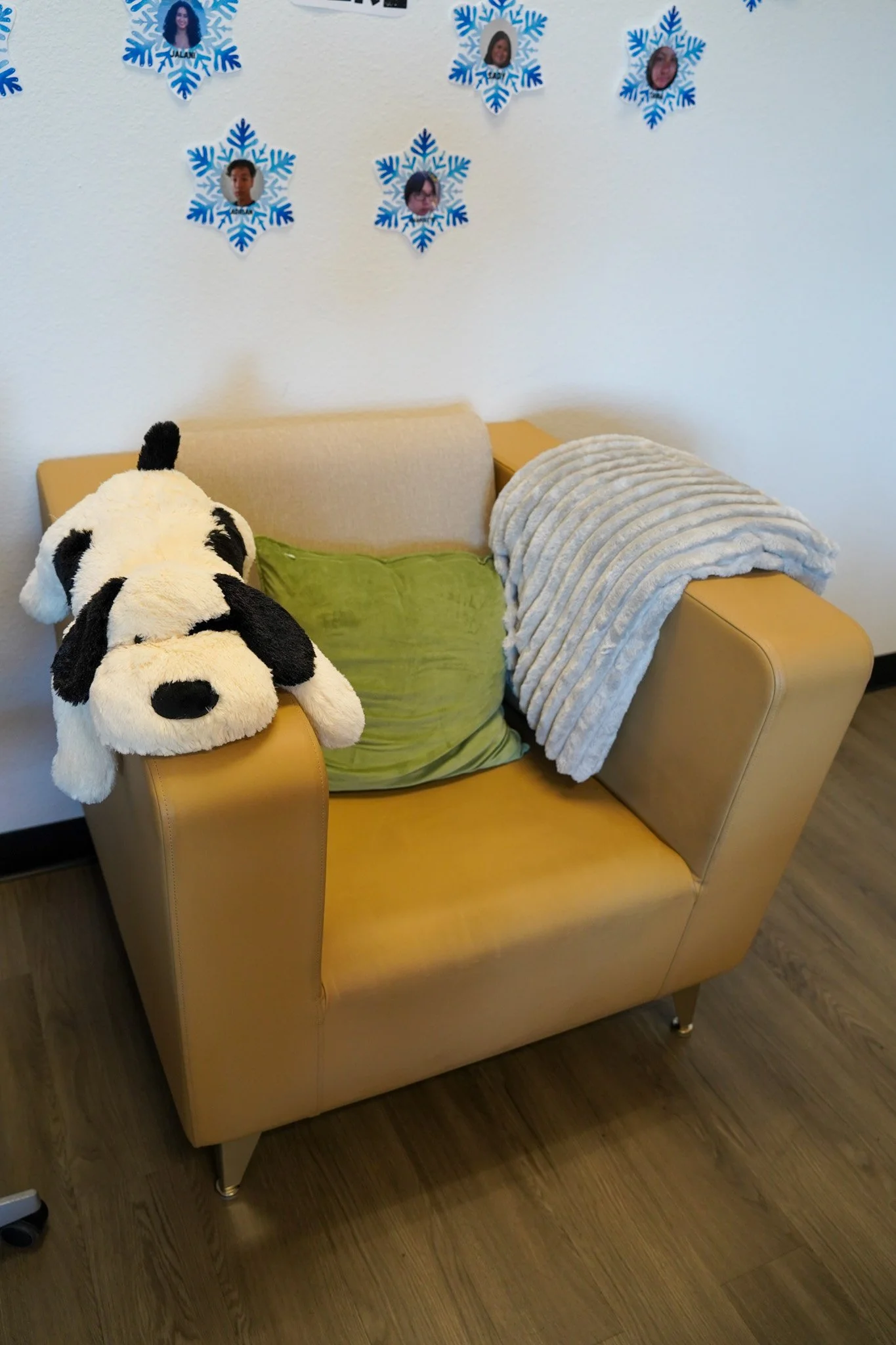
Cozy seating is of the utmost importance in any wellness space, especially when accompanied by blankets and stuffies.
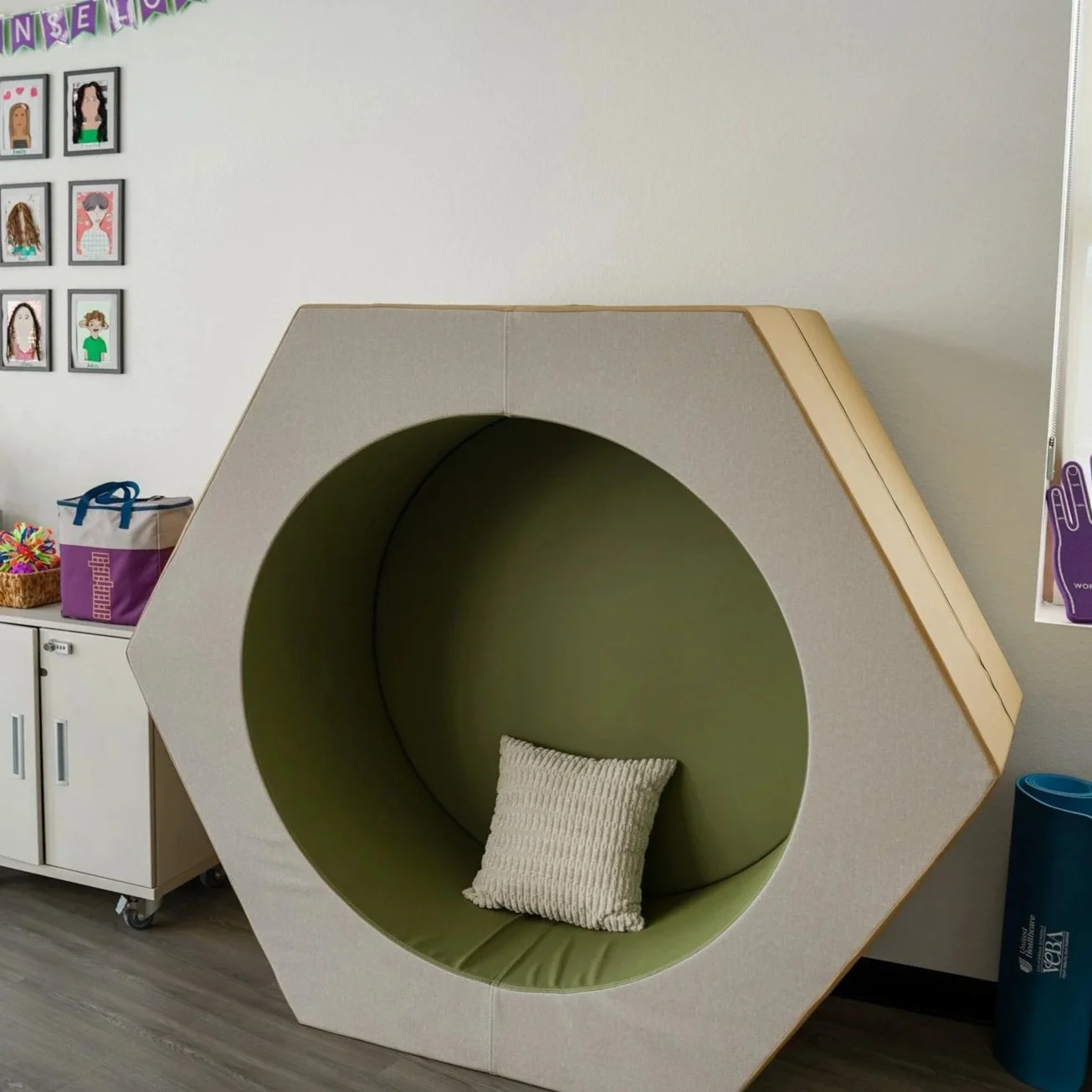
An enclosed seating option like this Nest is a great option for students who want to sit alone and journal, read or simply get some rest.
“I always see people go straight to this nest if it’s open and they just like to sit in there. Some of them play with little puzzles or fidgets in there and they just feel really cozy and safe.”
- Ms. Charlie
