
More Than Bright Ideas: Why Lighting Matters in Educational Spaces
When schools think about creating better learning environments, furniture, technology, and flexible layouts often take center stage. But one of the most powerful tools for supporting student success is often overlooked: lighting.
Lighting does far more than help students see. It influences attention, mood, comfort, sleep patterns, and even academic performance. As educators continue to focus on student wellness and achievement, the conversation around learning environments must include how spaces are illuminated.
The Power of Natural Light
Research consistently shows that access to daylight has a positive impact on learning. One widely cited study found that students in classrooms with greater access to natural light progressed significantly faster in both math and reading than students in classrooms with less daylight. Other studies have linked well-daylit classrooms to improved concentration, stronger cognitive performance, and higher test scores.
Beyond academics, natural light supports students' circadian rhythms—the internal clocks that regulate sleep and alertness. Exposure to daylight during the school day can help students maintain healthier sleep patterns, which are closely connected to learning, memory, and overall well-being.
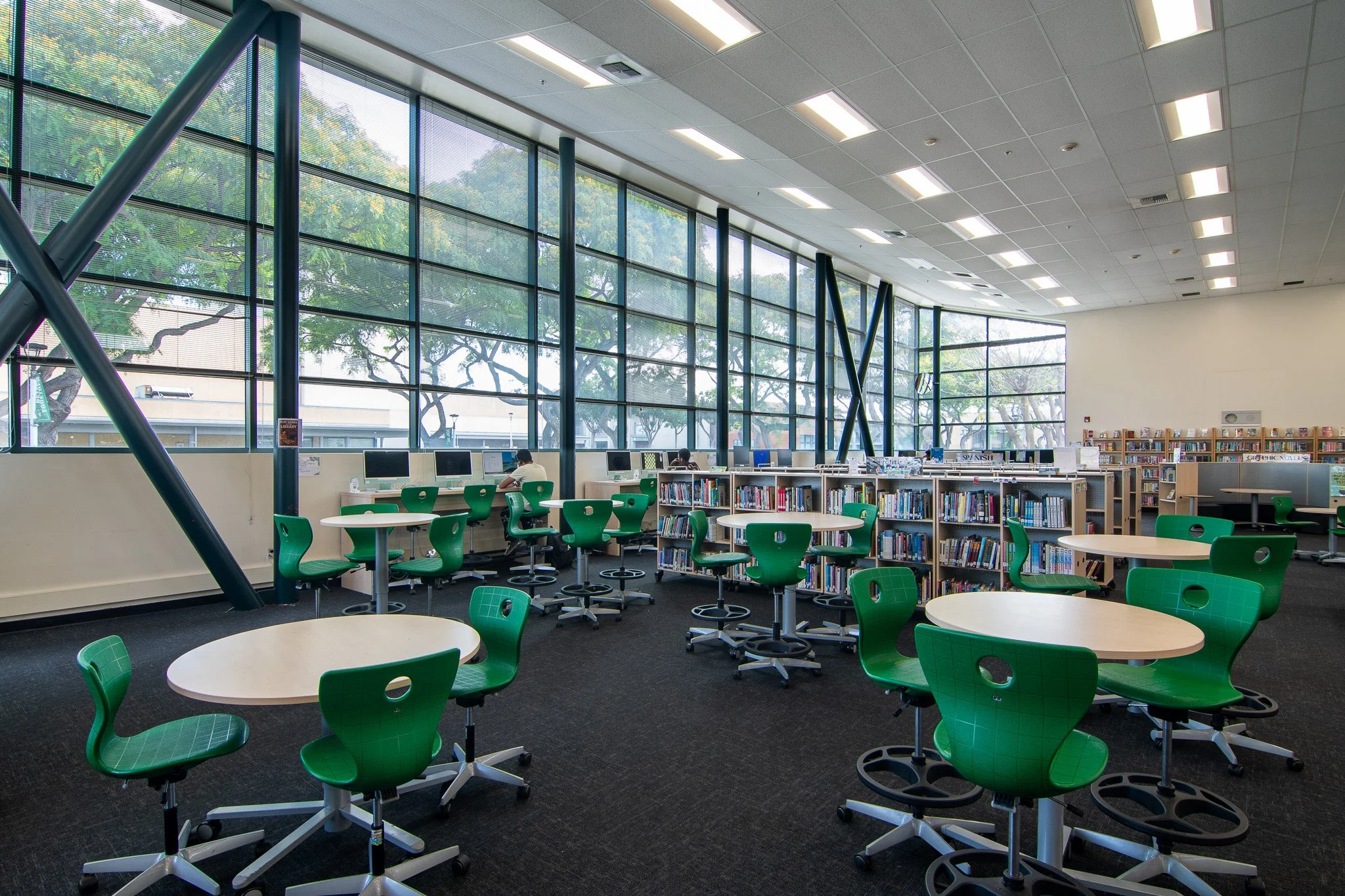
Photo courtesy of VS America, Cabrillo High School
Lighting and Student Wellness
Today's schools are placing a greater emphasis on whole-child wellness, and lighting plays an important role in that effort.
Poor lighting can contribute to eye strain, fatigue, headaches, and difficulty concentrating. On the other hand, thoughtfully designed lighting helps create comfortable environments where students can stay focused and engaged throughout the day. Researchers studying healthy buildings have identified lighting and daylight access as key components of environments that support occupant health and performance.
For younger students especially, a well-lit classroom can help reduce visual fatigue during reading, writing, and hands-on activities. For older students, lighting that supports alertness can make a meaningful difference during long instructional periods.
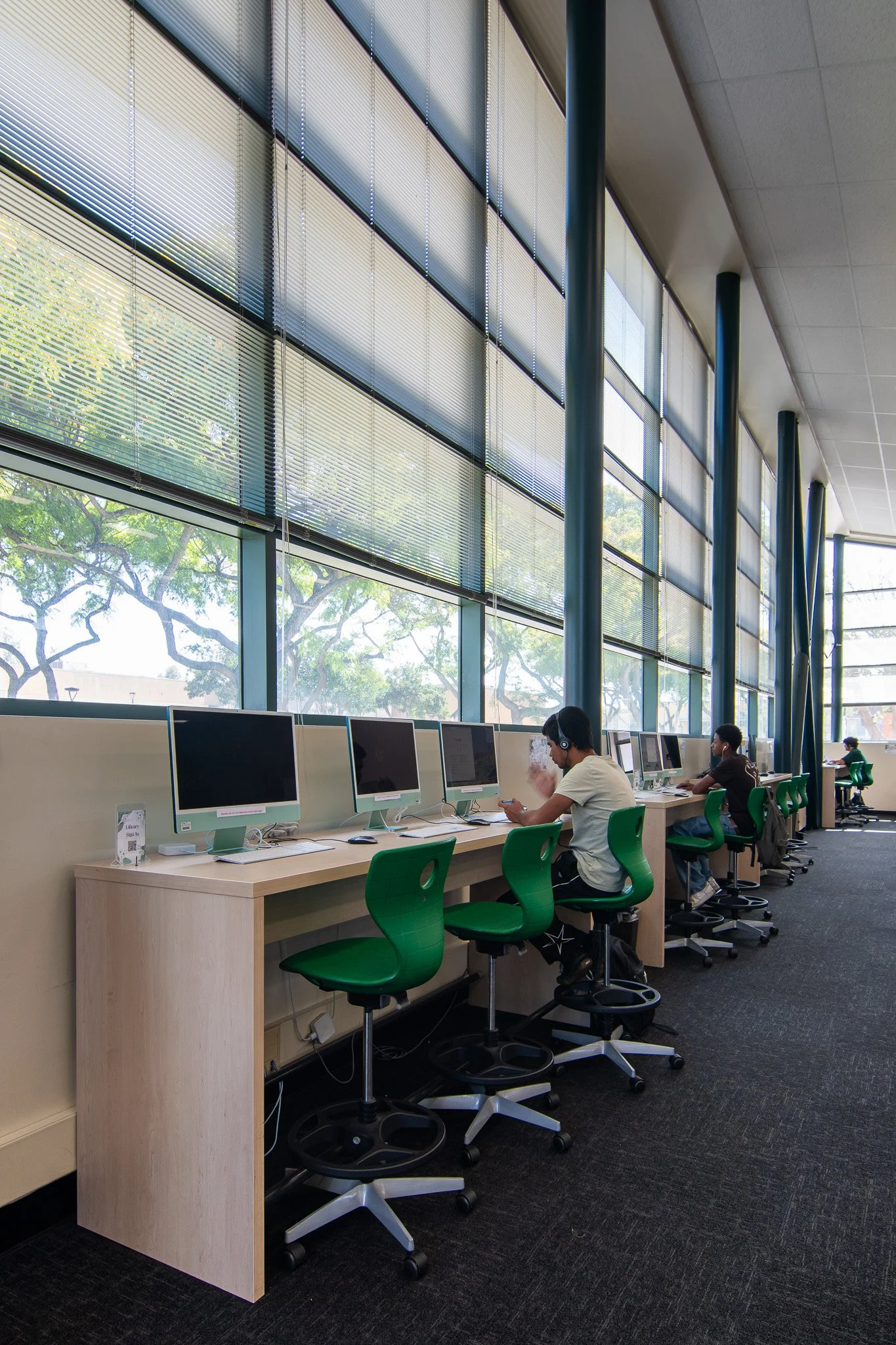
Photo courtesy of VS America, Cabrillo High School
One Size Doesn't Fit All
Not every learning activity requires the same type of lighting.
A science lab, library, makerspace, and wellness room all have different lighting needs. Reading and detailed tasks often benefit from brighter, evenly distributed light, while collaboration areas and wellness spaces may call for softer, more comfortable lighting that encourages conversation and relaxation.
The Illuminating Engineering Society (IES) has developed recommendations for educational facilities that emphasize appropriate light levels, glare control, visual comfort, and flexibility to support different learning environments.
Modern LED systems and tunable lighting technologies are making it easier than ever for schools to adapt lighting throughout the day. Emerging research suggests that adjustable lighting may help support student alertness while also improving teacher satisfaction and overall classroom comfort.
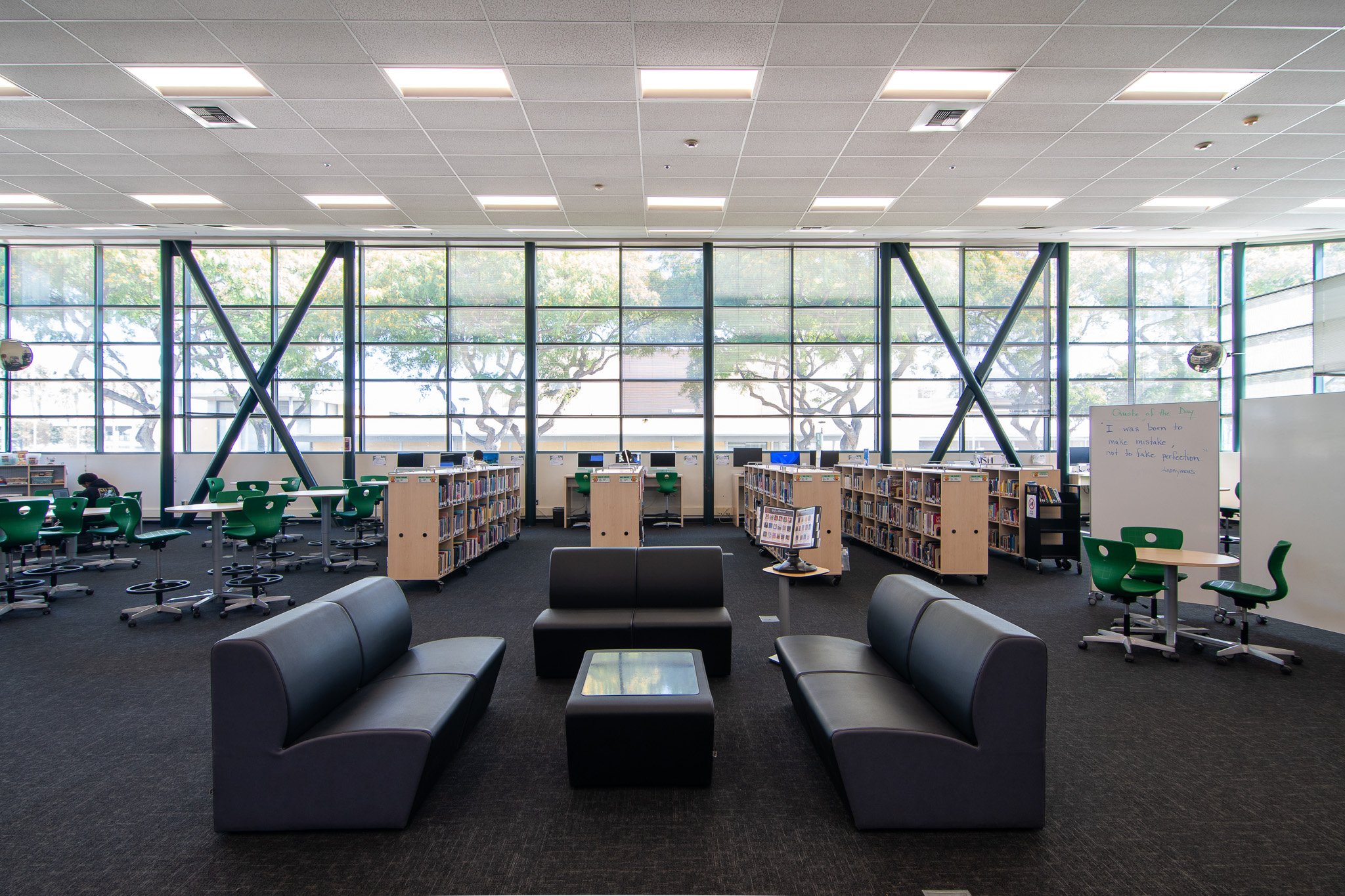
Photo courtesy of VS America, Cabrillo High School
Designing for the Future
The best educational spaces don't rely on lighting as an afterthought. Instead, lighting becomes part of a holistic design strategy that considers furniture, acoustics, technology, and wellness together.
Large windows, daylight harvesting, glare management, layered lighting, and flexible controls can all contribute to environments that support both learning and well-being. The goal isn't simply to make spaces brighter—it's to make them healthier, more comfortable, and more effective for the people who use them every day.
As schools continue investing in environments that help students thrive, lighting deserves a seat at the table. Because when students can see clearly, feel comfortable, and stay engaged, the entire learning experience shines a little brighter.
